

Having a good idea is already challenging. Shaping that idea and continuously refining it is even harder. Convincing others of the idea and motivating them to get involved is the hardest of all.
I’ve experienced it myself. Everyone likes a good idea: “Great, sounds exciting, yes, yes, fantastic,” I’ve often heard. But when asked specifically to contribute or provide support, the reaction was usually more reserved. The skepticism is understandable – a good idea doesn’t (yet) pay the rent. No one can live on idealism alone. In today’s often already precarious world of journalism, this is more true than ever.
Building a (small) team is essential for many founders in local journalism. Going it alone can work, but it’s extremely challenging. No one can do everything or handle everything alone. It’s not just about finding people – it’s about finding the right people. Many startups give up after a short time, often because the team wasn’t a good fit. Very few projects are profitable from the start. What’s needed, then, is a team that understands this challenge but also shares a common goal: to change that.
Alexandra Haderlein succeeded in convincing many people of her vision for a new kind of local journalism in Nuremberg. Today, the Relevanzreporter Nürnberg team has around 20 members. Alexandra herself had little more to offer than a good idea. We asked her for tips: how did she build her team?
About the Relevanzreporter Nürnberg:
- The Relevanzreporter Nürnberg were founded in 2020 by Alexandra Haderlein as the Lokalblog Nürnberg.
- The team is committed to constructive local journalism for millennials in Nuremberg and the surrounding region.
- The project started with a Facebook group and a regular newsletter. Today, it also includes a website, a podcast, and recurring events. Most content is behind a paywall and accessible only to paying members.
- Since early August, the Relevanzreporter Nürnberg have been recognized as a non-profit organization. Their goals include promoting public education, professional development, and tolerance in the sense of strengthening democracy.
- The name, logo, website, and many offerings were developed gradually in collaboration with the community. Members can continually contribute topics, opinions, and suggestions – and are often actively asked to do so.
How Alexandra Haderlein Built the Relevanzreporter Team:
- “I was clear from the start that I never wanted to found this alone,” says Alexandra Haderlein. Her initial core team consisted of three people: herself, a web developer, and a business developer. She had met both of them by chance at events. A bit of luck is part of finding a team in the beginning. Alexandra, however, was very active in promoting her idea – he showed her face, spoke with all sorts of people about the project, and made contacts, including on LinkedIn and other platforms. Sometimes these contacts don’t pay off immediately but become valuable over time.
- The Relevanzreporter made their first bigger move to build the team with a low-threshold call for students. Instead of submitting lengthy applications, interested people could simply schedule a coffee meeting. After a few hours, five people had already booked a meeting, and over time even more joined.
- Several early team members are still involved today, though some have dropped out. Alexandra has since raised the bar for new recruits, looking for team members with more experience and qualifications, which she makes clear in interviews. “The calls for applications aren’t as widely received as before, but the candidates fit us better. We no longer have time to start from scratch with everyone,” she explains.
- Even today, all team members regularly get insights into all the numbers: How much money comes in? Where do new funds come from? How much money is needed? etc.
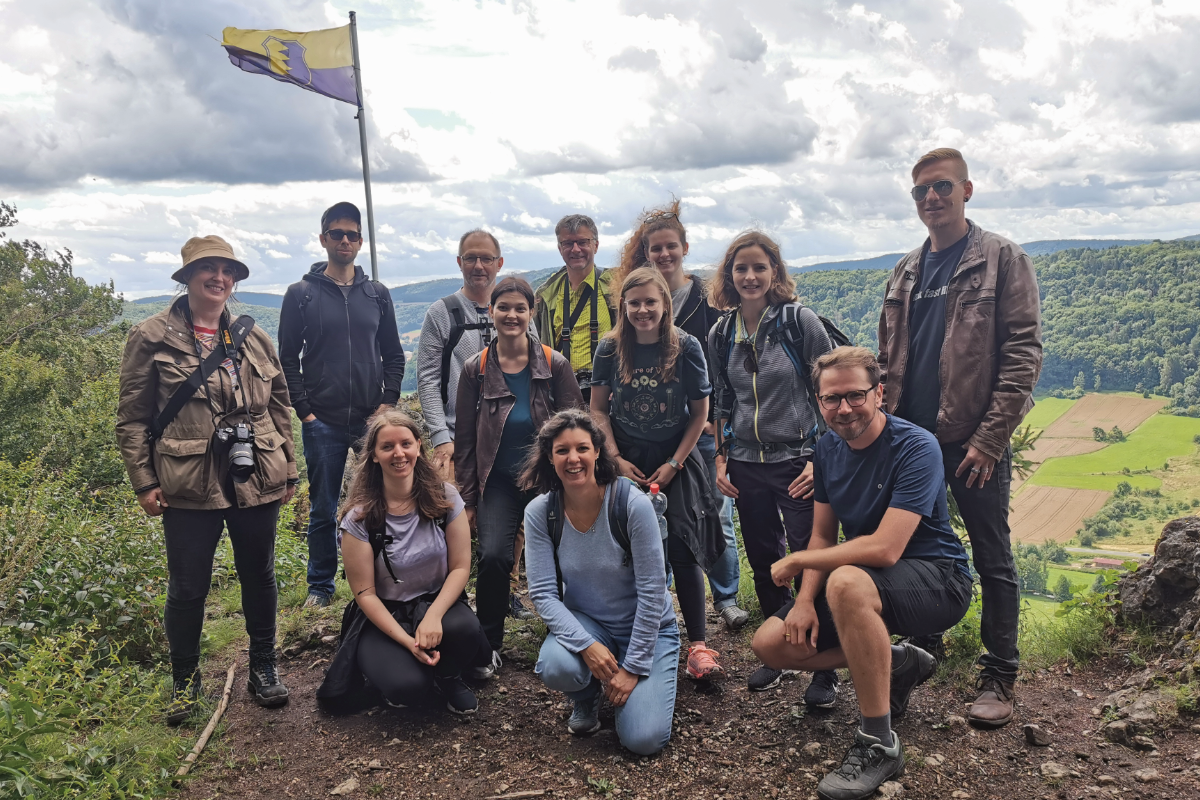
- The Relevanzreporter team still works mostly remotely. To keep everyone connected, they organize regular online pizza nights, in-person meetups at beer gardens, hiking trips, and so on. The team has also created an internal “basic law” defining the rules of collaboration together.
- Alexandra Haderlein also has a few general tips:
- Be clear about the skills your team needs and exactly what you’re looking for.
- Attend events, such as conferences or university gatherings, where you’re likely to find the team members you need.
- Explore your own network and maintain it: Who knows someone who knows someone else? And remember: give before you take.
- Write your job posting in a way that reflects how you want to be approached. Also, try to stand out!
- Be as transparent as possible during interviews and ask for meaningful work samples as a basis.
- Stay in regular contact and provide each other with ongoing feedback: What’s going well? What needs improvement? And define shared goals together!
The Result
Satisfaction level: high – Alexandra Haderlein is very happy with her team.
- Today, the Relevanzreporter team has about 20 members, comprising journalists, photographers, social media managers, and other media professionals.
Lessons Learned
- Keep the summit cross visible: For the whole team, at all times. It must be clear where the path is leading and what the big goal is that everyone orients themselves around. If this (and other conditions) is already clear from the interview stage, no false expectations arise on either side. Transparency from the start is crucial.
- Don’t focus only on students: Everyone starts somewhere. Expecting students to take on complex, constructive, or investigative tasks from the beginning rarely works. Today, Alexandra would no longer focus primarily on students. “They are capable, motivated, and eager, especially for a young project. But they also require work.” This leads directly to the third lesson:
- Be selective, but not overly demanding: “As a startup, we have to be aware of our real capacities and which tasks I can delegate,” says Alexandra Haderlein. “My takeaway: I can delegate work only if I trust my team. I’ve met some very nice people who, in the end, cost more effort than they saved me. Today, in interviews, if I notice a lack of energy, enthusiasm, or expertise, I’m stricter than before, when a single work sample was enough. In a small team, it’s essential that people truly engage and keep the summit cross in sight. Only then does delegating tasks become easy.”
This case study was first published in our beabee newsletter, where we share hands-on tips and guidance on community journalism every month. Subscribe here: Sign up
Do you have your own experiences or use cases that we should include? Just send an email to svenja.schilling@correctiv.org.